SEI USUCT has a memory of the Zustrich up to the 40s of the Chornobyl disaster
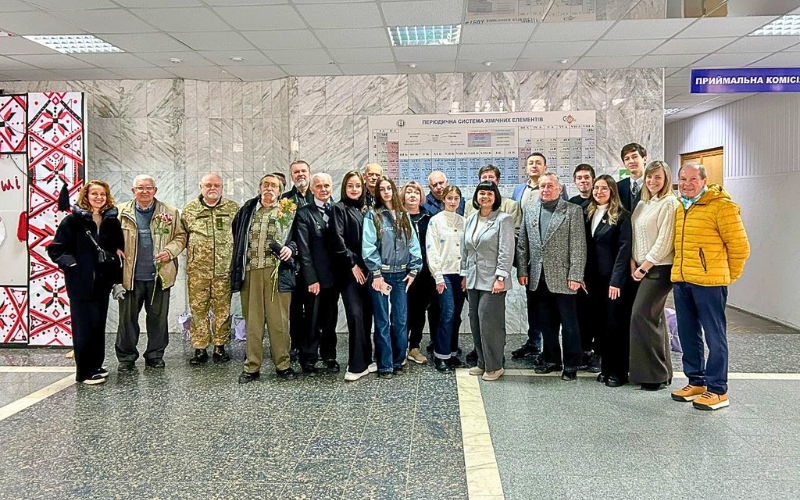
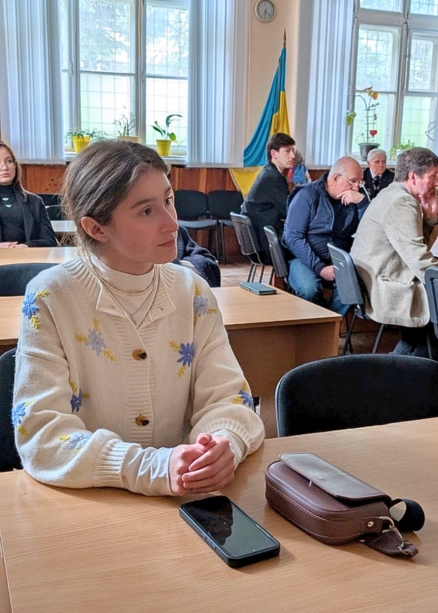
On April 21, 2026, at the SEI USUCT of the Ukrainian State University of Science and Technology, a commemorative meeting “Chornobyl: 40 Years of Remembrance” was held, dedicated to the events of April 26, 1986—one of the largest man-made disasters of the 20th century, which significantly changed the course of history and left a lasting impact on the development of science, technology, and society. The event brought together faculty members, staff, and students from all faculties of the SEI “Ukrainian State University of Chemical Technology” of USUST.
The tradition of honoring liquidators and Chornobyl survivors is an integral part of the institute’s life. Each year, the SEI USUCT organizes thematic meetings to reflect on those events and to discuss the role of science, professional responsibility, and the consequences of critical decisions. Such meetings provide an opportunity to address the Chornobyl disaster not abstractly, but through the real experiences of people who directly worked in the exclusion zone.
Special attention during the event was paid to the role of chemists. Their knowledge, professional training, and ability to make responsible decisions proved to be critically important in the first days after the accident. Among those who worked in the exclusion zone were many lecturers and graduates of the Ukrainian State University of Chemical Technology. They demonstrated not only a high level of professional competence but also resilience, courage, and readiness to act under extreme conditions.
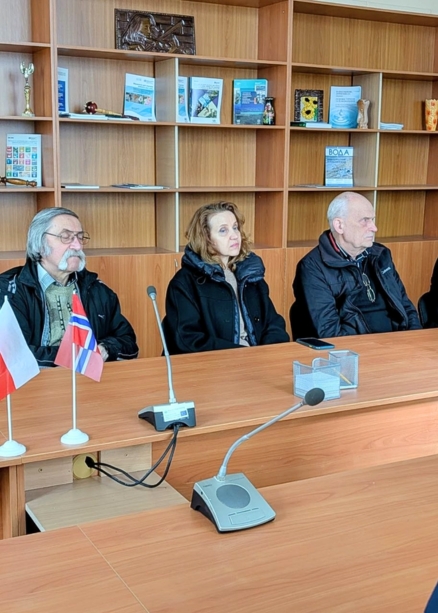
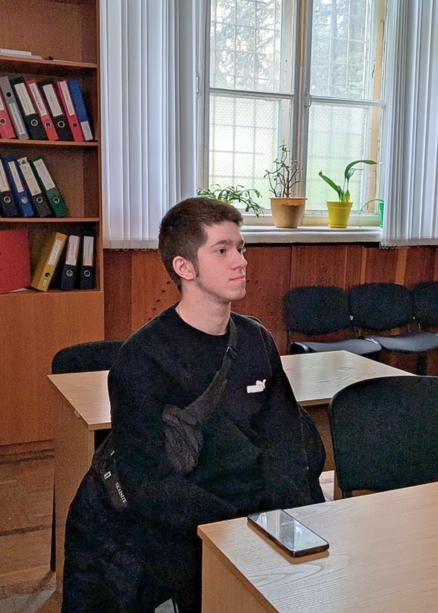
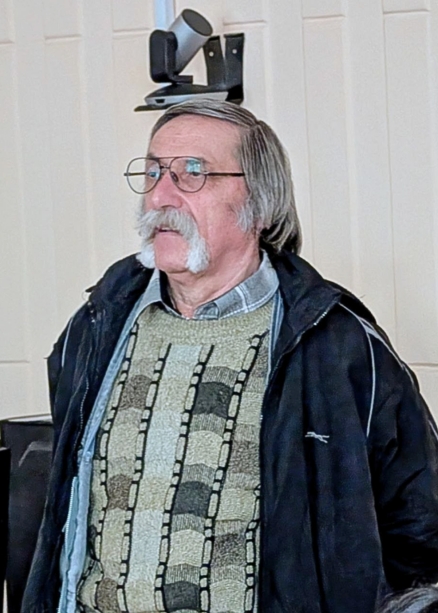
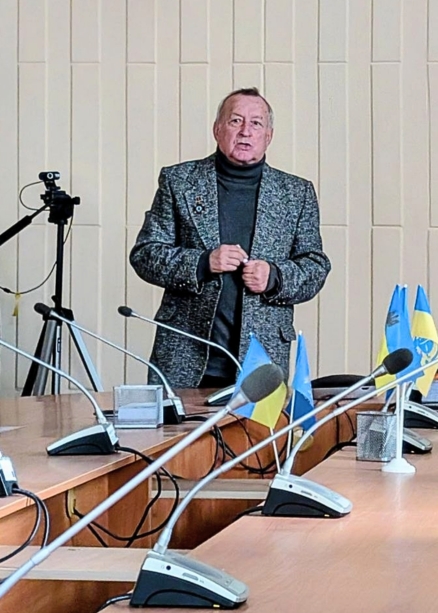
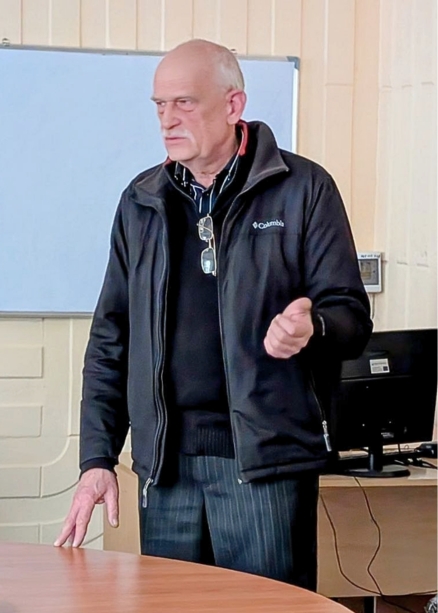
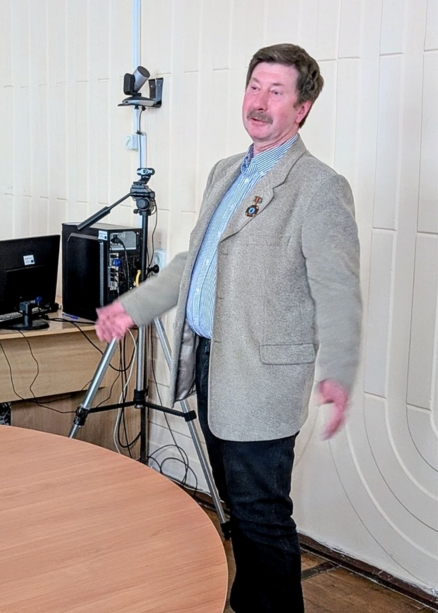
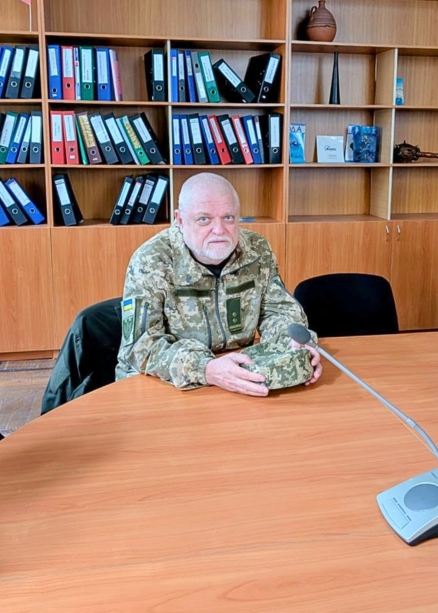
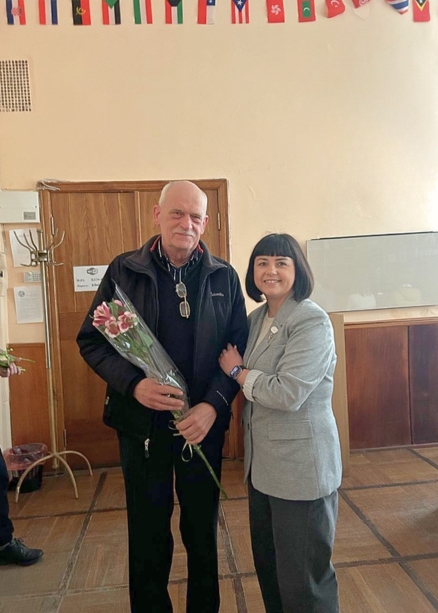
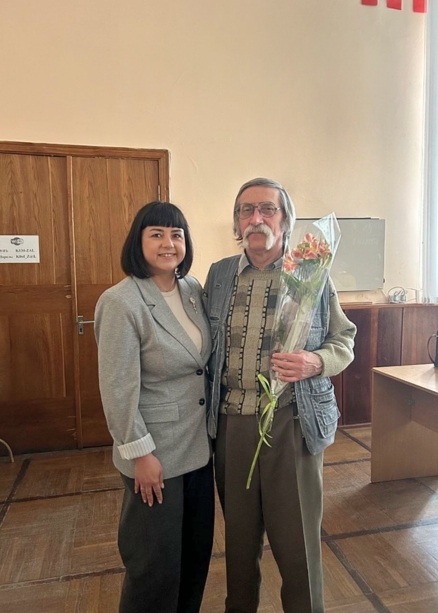
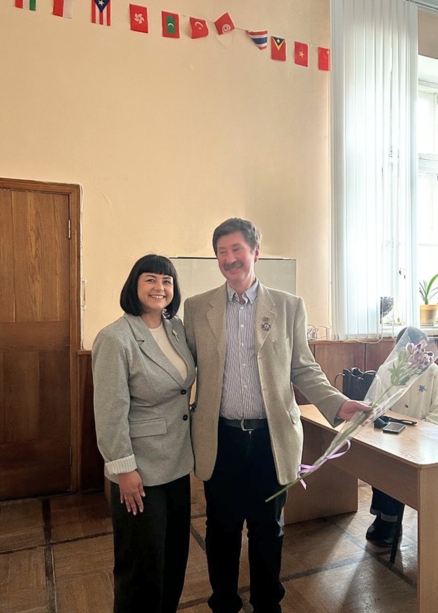
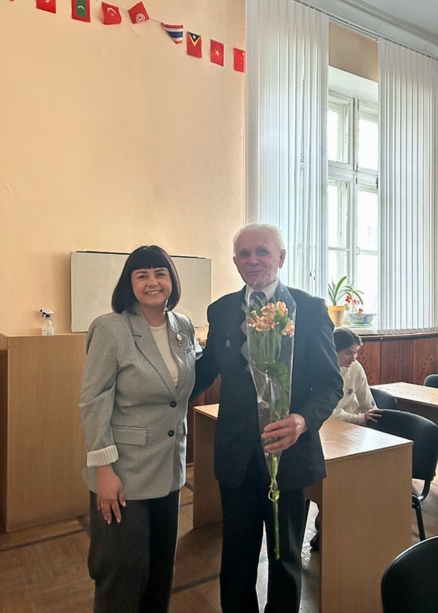
Direct participants in the liquidation of the accident’s consequences took part in the event and shared their personal memories of working in the exclusion zone.
Among the honored guests was Mykhailo Rohalyov, Chairman of the Council of the Veterans’ Organization of USUCT, a colonel who taught for many years at the university’s military department. During the liquidation of the consequences of the accident at the Chornobyl Nuclear Power Plant, he served as Head of the Operational Group Service of the Special Zone and directly supervised operations at the plant.
Associate Professor of the Department of Biotechnology and Life Safety Oleksandr Matrosov spoke about his experience of service after obtaining the military specialty “Radiation and Chemical Reconnaissance.” In July 1987, he was deployed to the exclusion zone as a platoon commander.
Among the participants was also Oleksandr Zhelezniakov, who worked as part of a group conducting radiation reconnaissance on the roof of the third power unit of the Chornobyl NPP. Together with four other volunteers, he joined the so-called “suicide squad,” which carried out a true act of heroism and helped save the lives of many liquidators.
Associate Professor of the Department of Biotechnology and Life Safety Volodymyr Herasymenko shared his memories of working in the exclusion zone. In particular, he recalled the “Red Forest,” his service in a special life-support company, and the harsh conditions of the winter of 1987, when, in temperatures as low as −30°C, it was necessary to organize water supply and ensure the basic needs of the liquidators.
Graduate of the Silicate Faculty Oleksandr Semko also shared his memories. In 1987, he participated in the decontamination of the third power unit of the Chornobyl NPP. In his account, he focused both on the difficulties of working in the zone and on the support that helped endure those challenges.
Mykhailo Marmatsai, a lieutenant colonel of the military department, also emphasized the complexity of decontamination work and the importance of coordinated actions in the exclusion zone.
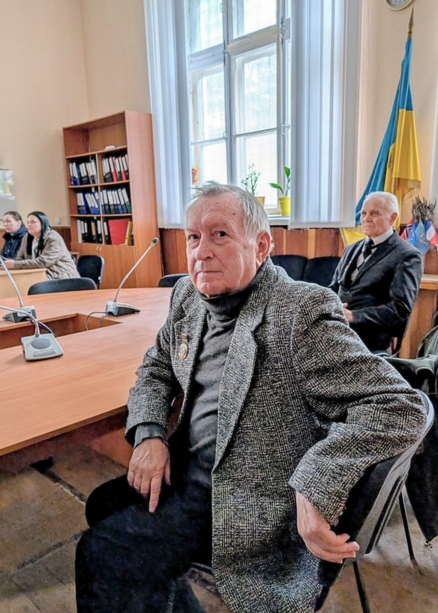
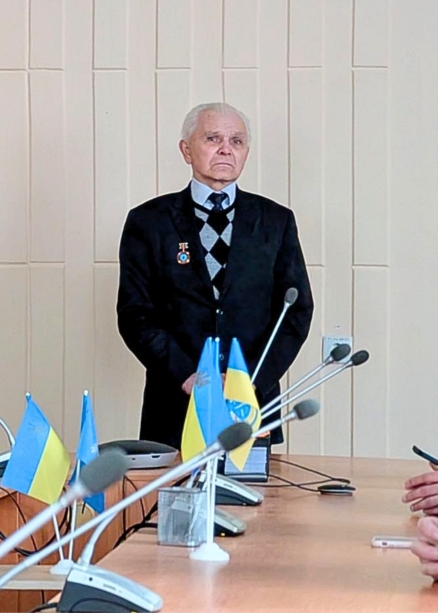
The university continues to maintain connections with graduates and faculty whose professional activities are still related to Chornobyl today. Among them is Hanna Chvartatska (Kotelnikova), a graduate of group PP-78 (1982–1987) of the Faculty of TVMS. She currently works in the city of Chornobyl at the State Specialized Enterprise “EcoCenter,” in the Central Analytical Laboratory of the Radiochemistry Department, at the transuranium elements unit. She provided a video about the laboratory’s current work, which was presented during the event.
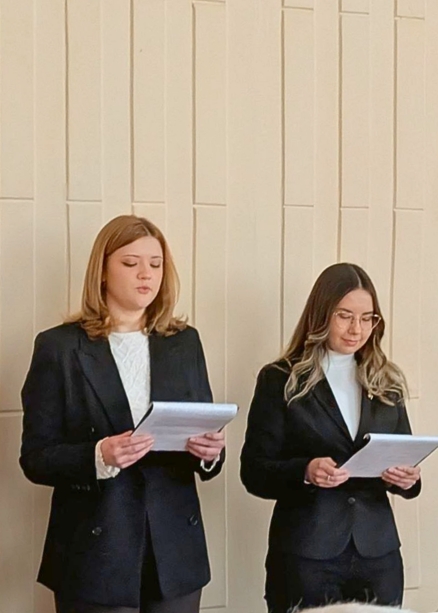
Based on these materials, a student of group 4-CB-52 of the Faculty of F and BT, Deputy Head of the Student Council of the SEI USUCT, Viktor Kuroyedov, prepared and edited a video that allowed participants to see how work related to the consequences of the disaster continues today.
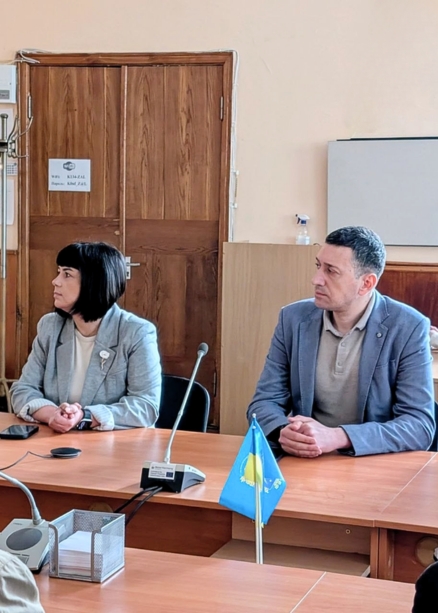
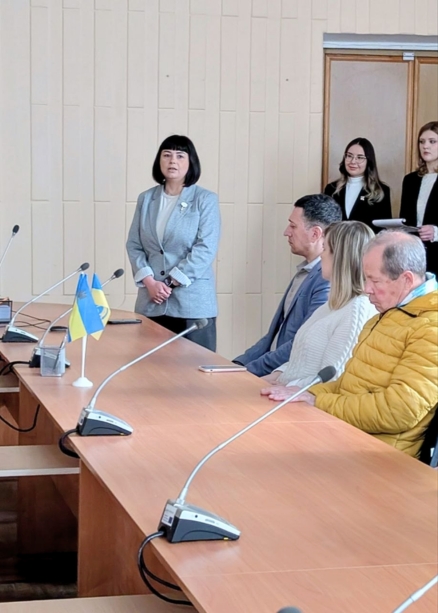
Addressing the audience, the Director of the SEI USUCT, Professor Olha Sverdlíkovska, thanked the liquidators for participating in the meeting and emphasized that the experience of the institute’s graduates and faculty serves as an important guideline for students. She stressed the need to preserve the memory of these events as an integral part of professional and civic responsibility.
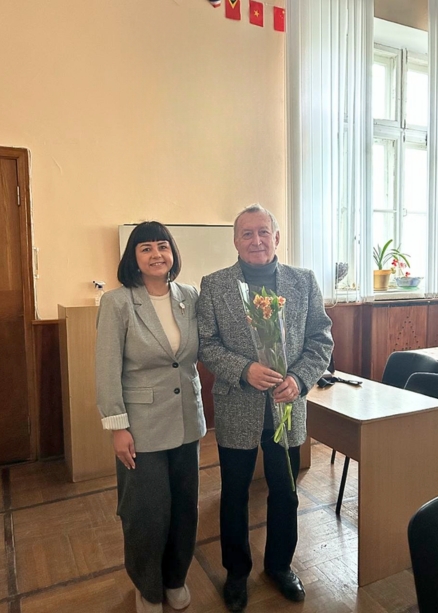
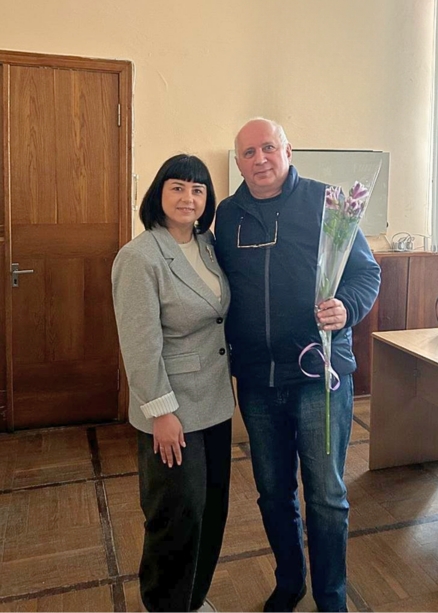
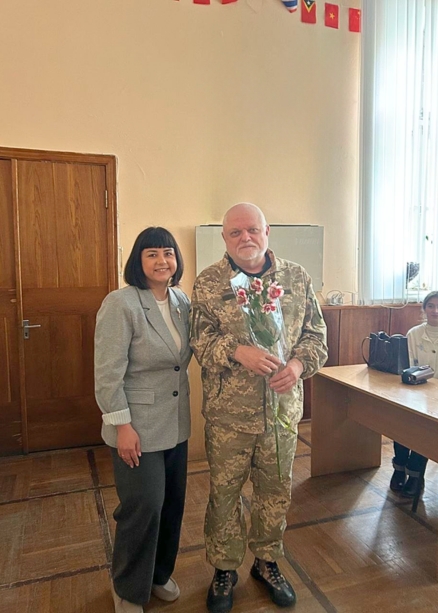
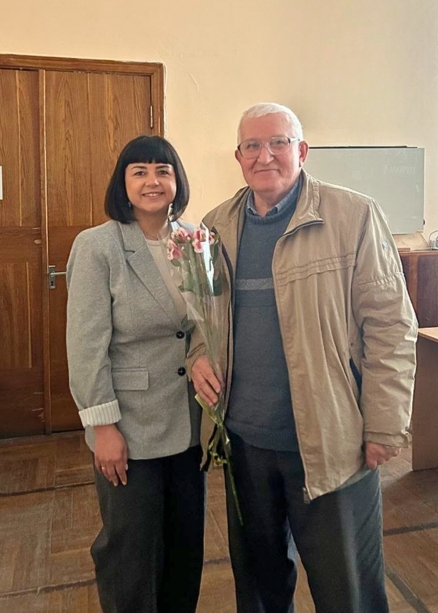
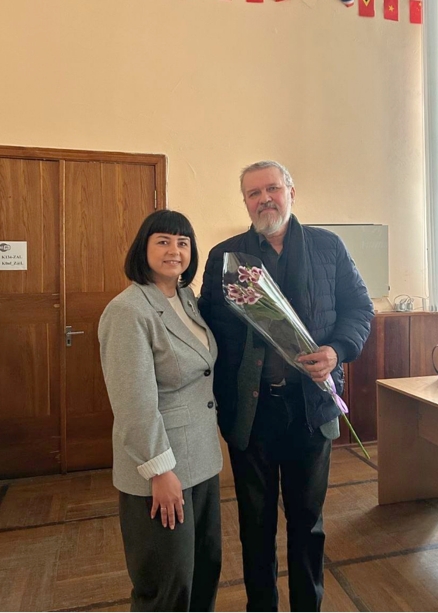
At the end of the meeting, the participants honored the guests with flowers as a sign of gratitude and respect for their heroism and selfless work.
Not all stories could be heard in person; however, a significant part of these memories has been preserved in the Museum of the History of USUCT, which continues to serve as an important center for preserving the university’s heritage.
Such events allow students to better understand past events through the experiences of eyewitnesses and to recognize the importance of professional responsibility in challenging conditions. The memory of Chornobyl remains an essential part of the educational and scientific environment, reminding us of the value of human life, the role of science, and the necessity of well-considered decisions.
We express our gratitude to the university trade union committee for supporting the organization of the event.
Special thanks are extended to the staff of the Museum of the History of USUCT for preserving materials, memories, and for their daily work that keeps this memory alive.