
“Operation: Scientific Conversation” Introduced First-Year Students to Science at the USUCT SEI
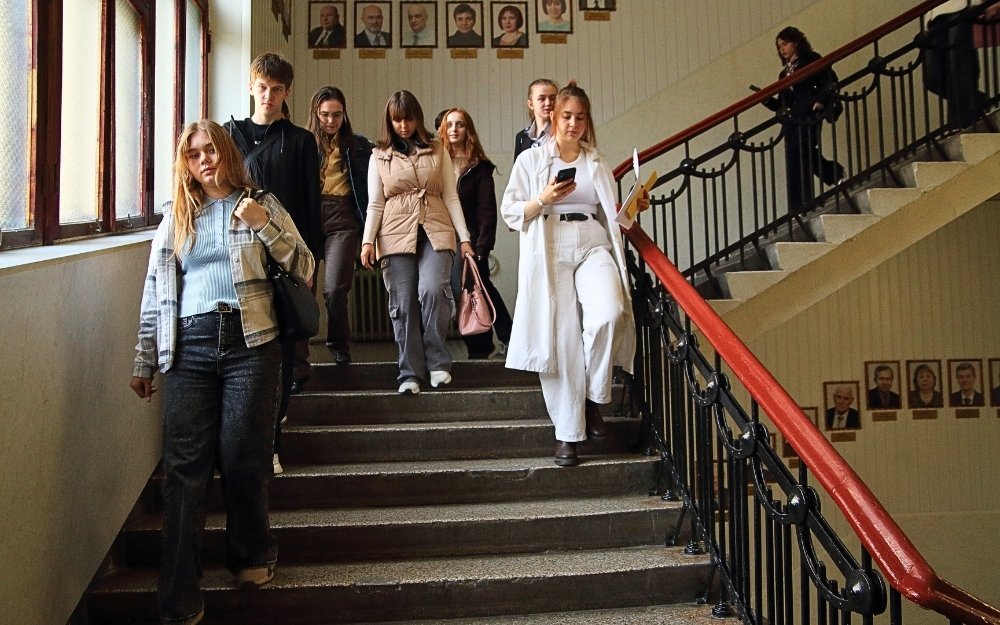
On October 8, 2026, the SEI “Ukrainian State University of Chemical Technology” held the scientific quest “Operation: Scientific Conversation”, aimed primarily at first-year students. Instead of a conventional introduction to research activities, participants were invited to follow a route featuring themed tasks, challenges, and clues that introduced them to various research areas at the institute.
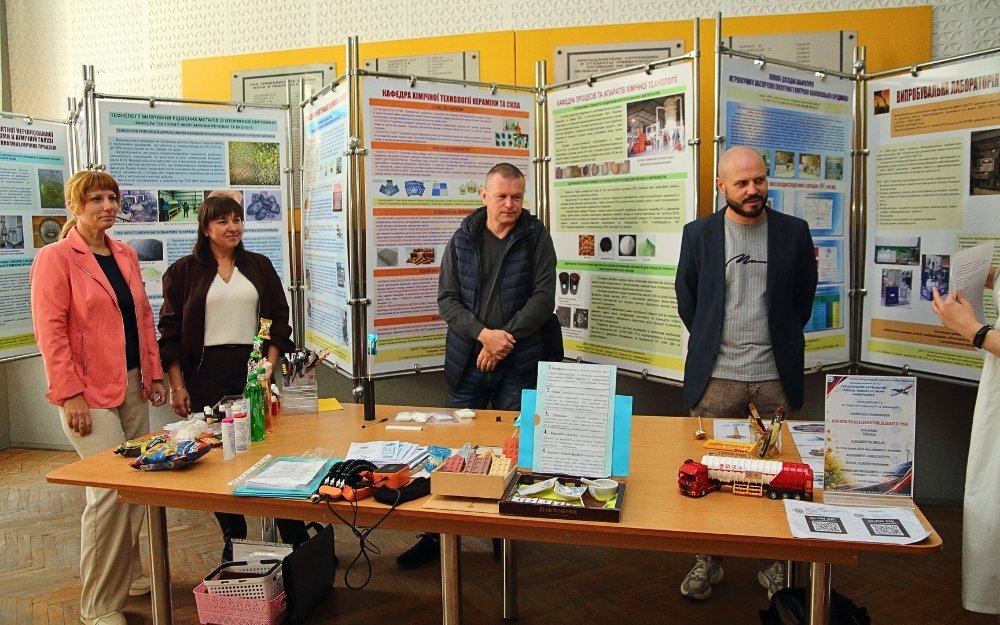
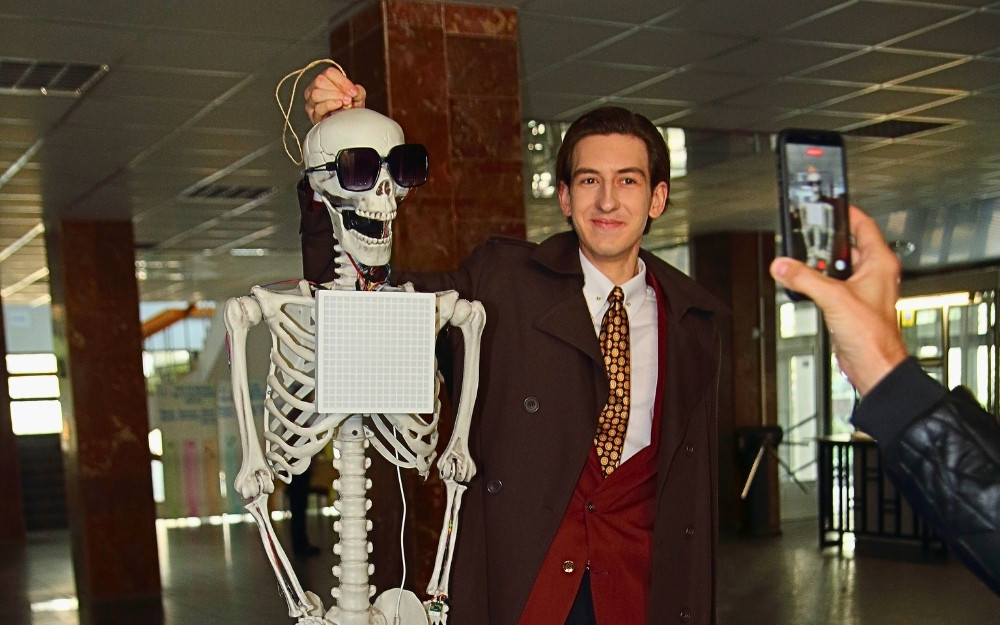
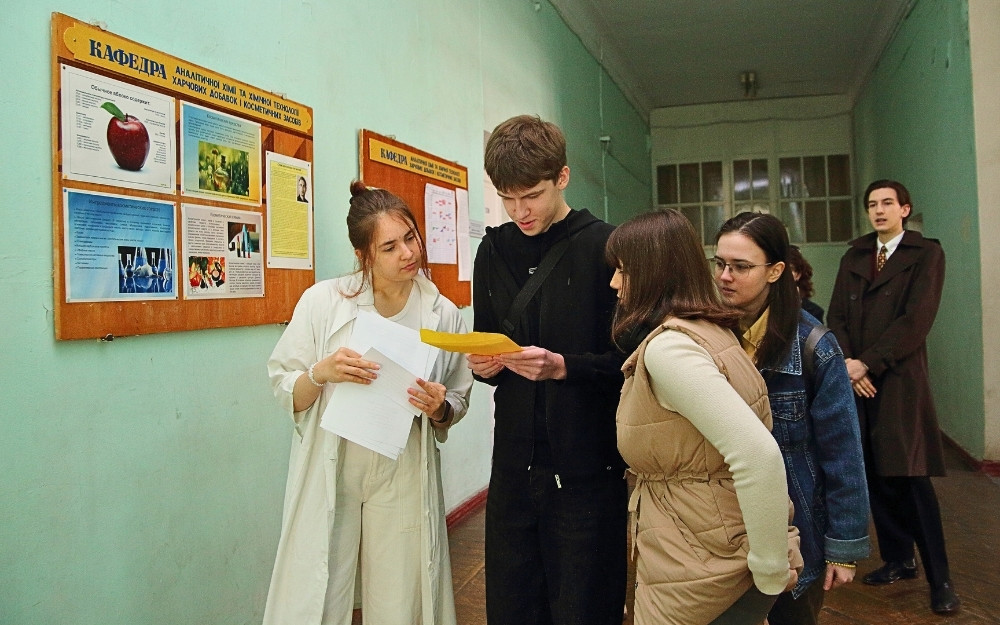
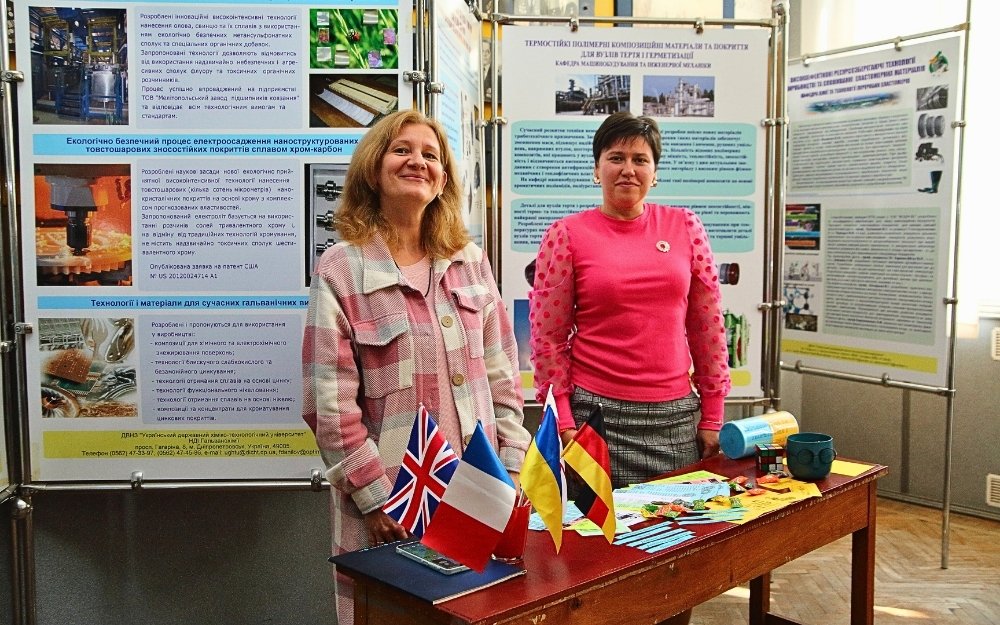
The idea of introducing first-year students to university research was proposed by the student self-government body. The author of the idea and organizer of the quest was Meriam Muradova, Head of the Academic and Research Sector of the Student Self-Government of the Faculty of Pharmacy and Biotechnology. The main character of the game was “Professor Chemicus”, portrayed by Dar’ya Lyubarska, a student of the same faculty.
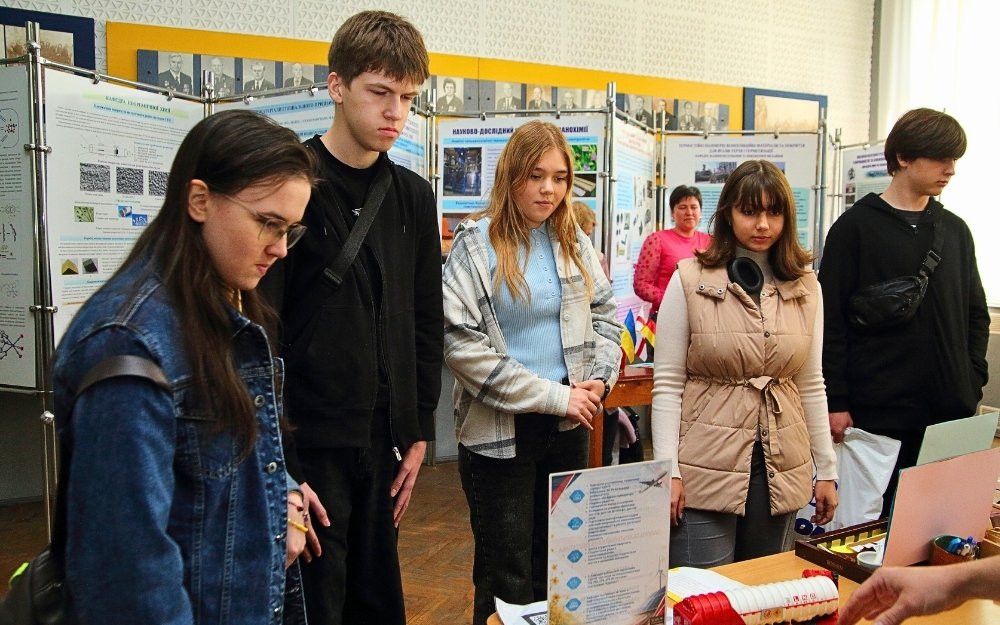
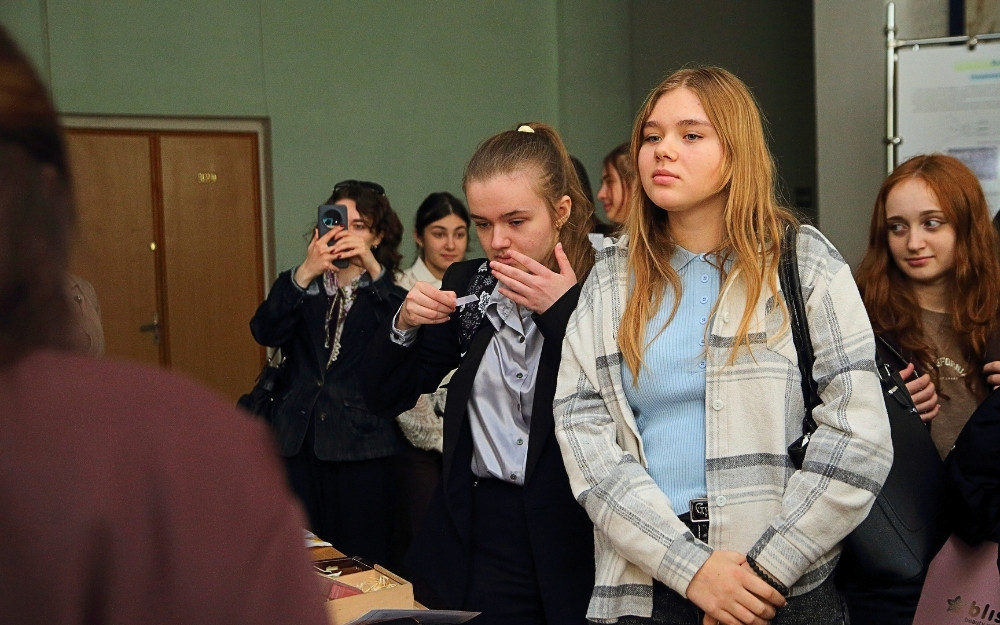
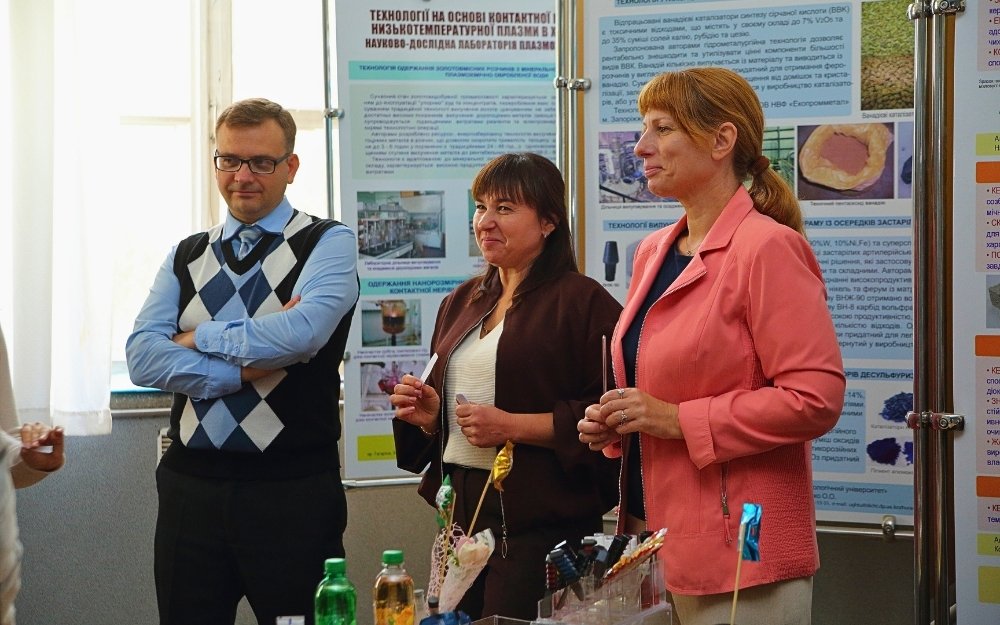
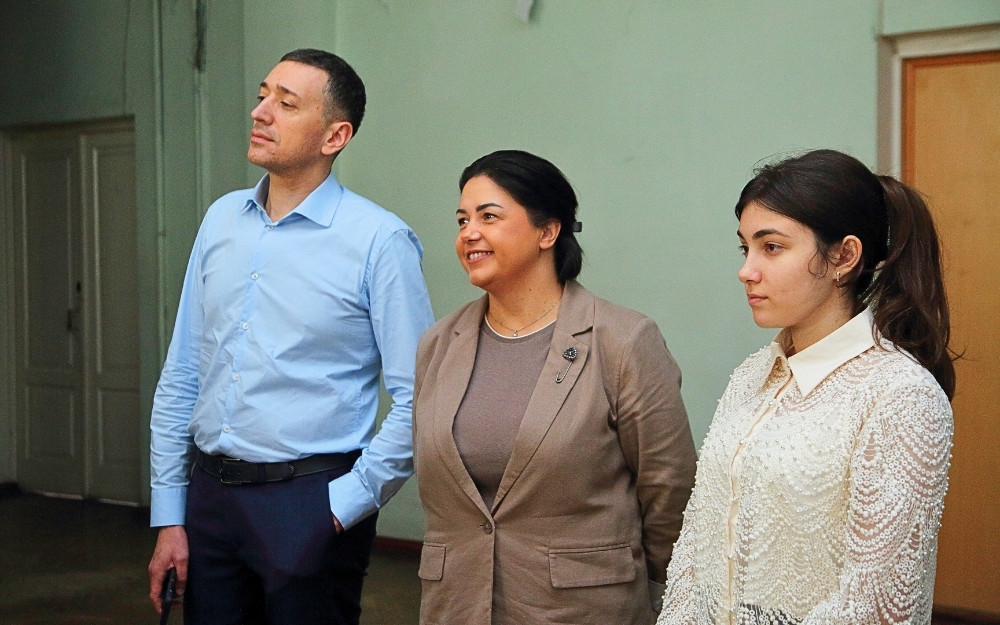
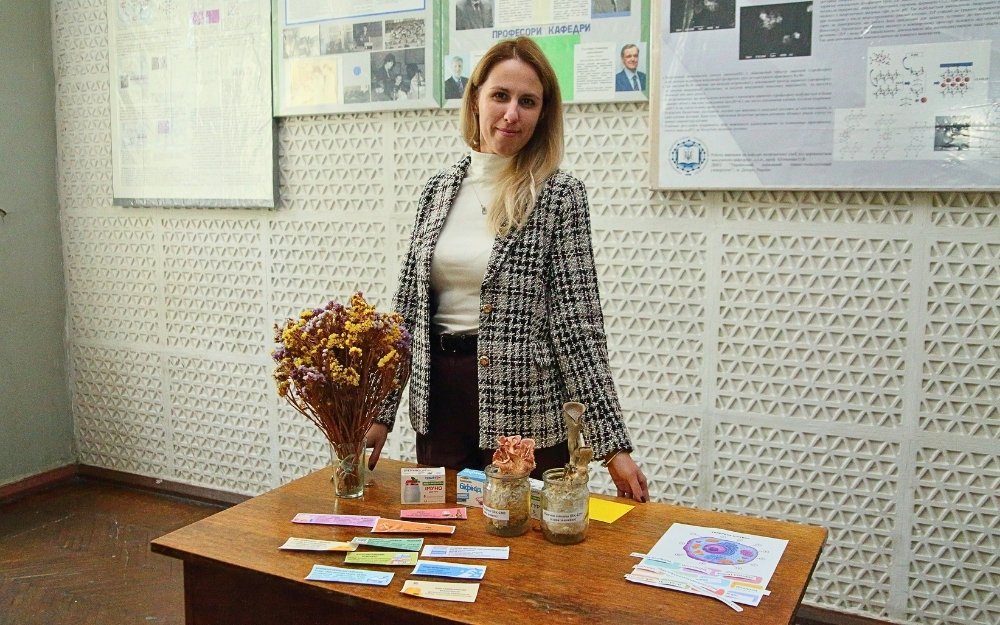
Representatives of 10 departments from four faculties of the USUCT SEI took part in preparing the quest route.
Faculty of Food and Chemical Technologies was represented by:
- Department of Analytical Chemistry and Chemical Technology of Food Additives and Cosmetic Products;
- Department of Fuel, Polymer, and Printing Materials Technologies;
- Department of Chemical Technologies of Ceramics, Glass, and Biomedical Materials.
The Faculty of Pharmacy and Biotechnology was represented by:
- Department of Pharmacy, Chemistry, and Technologies,
- Department of Biotechnology and Life Safety,
- Department of Physical Culture, Sports, and Health.
The Faculty of Computer Science and Engineering was represented by the Department of Innovative Engineering, the Department of Energy, and the Department of Information Systems, while the Faculty of Economic, Humanities, and Law was represented by the Department of Philology and Translation and the Department of Economics and Law.
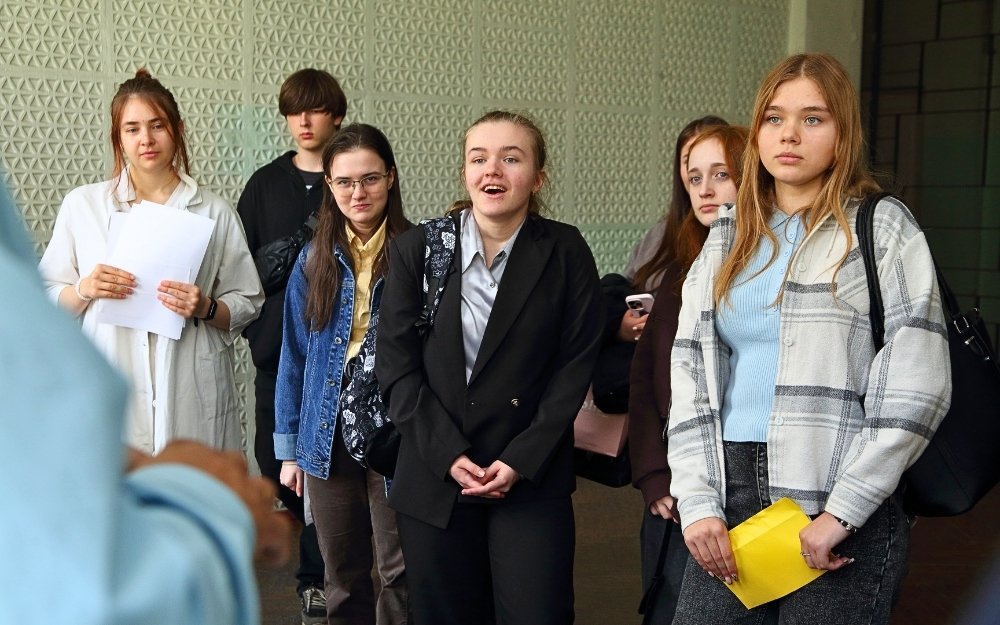
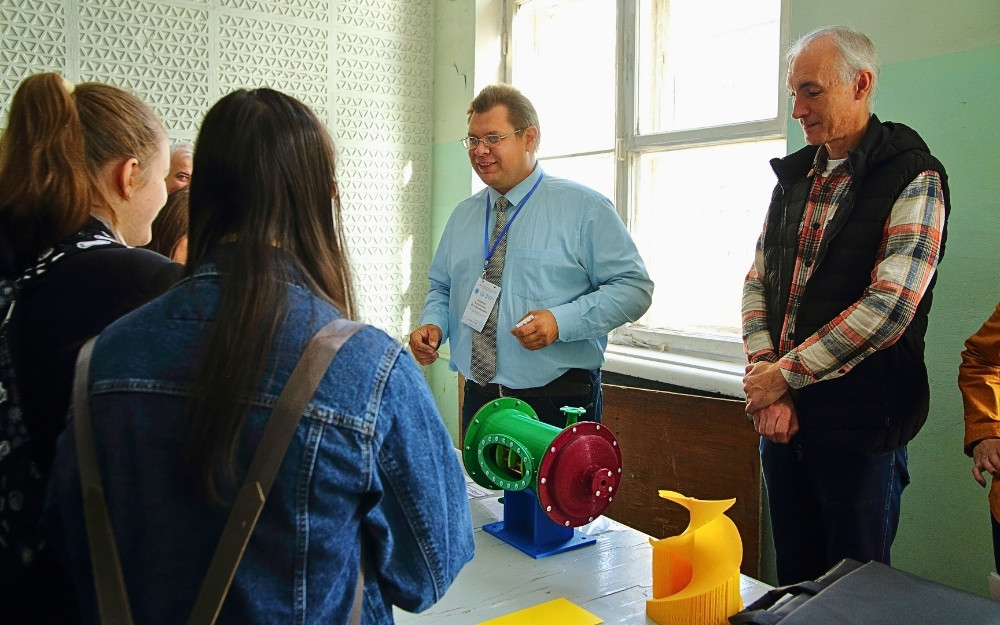
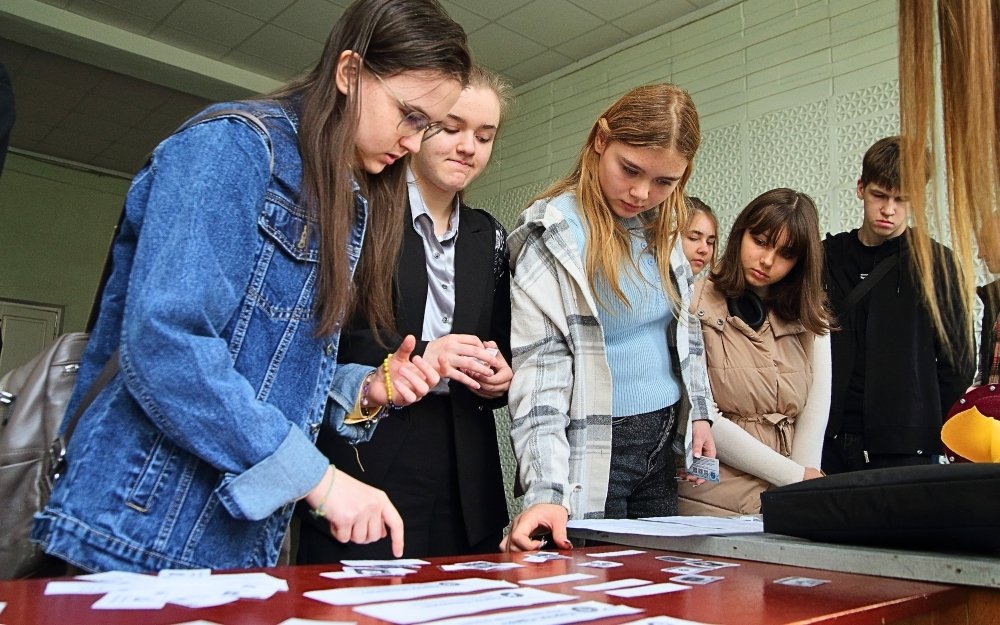
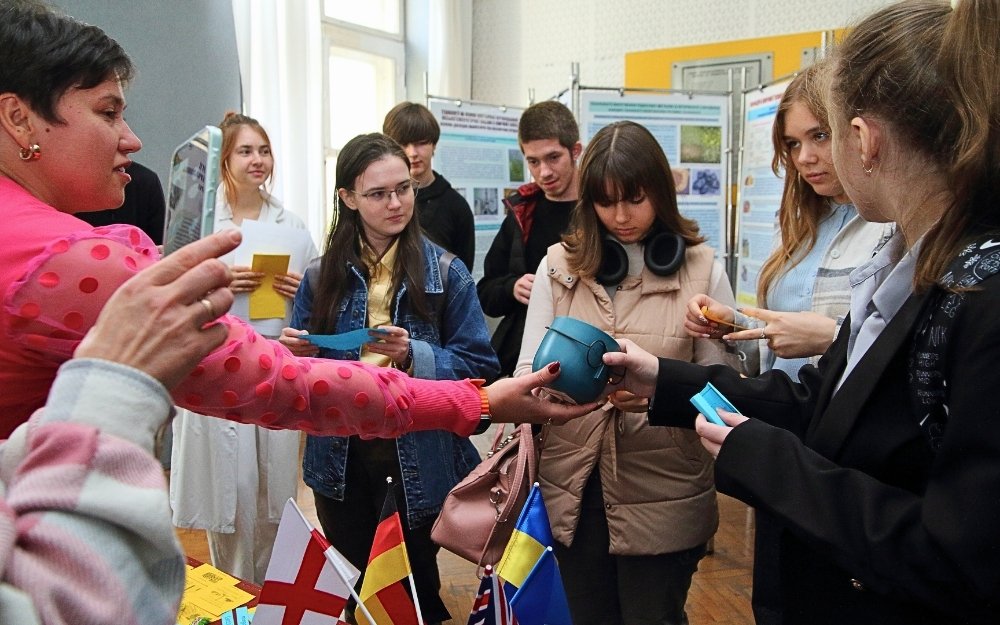
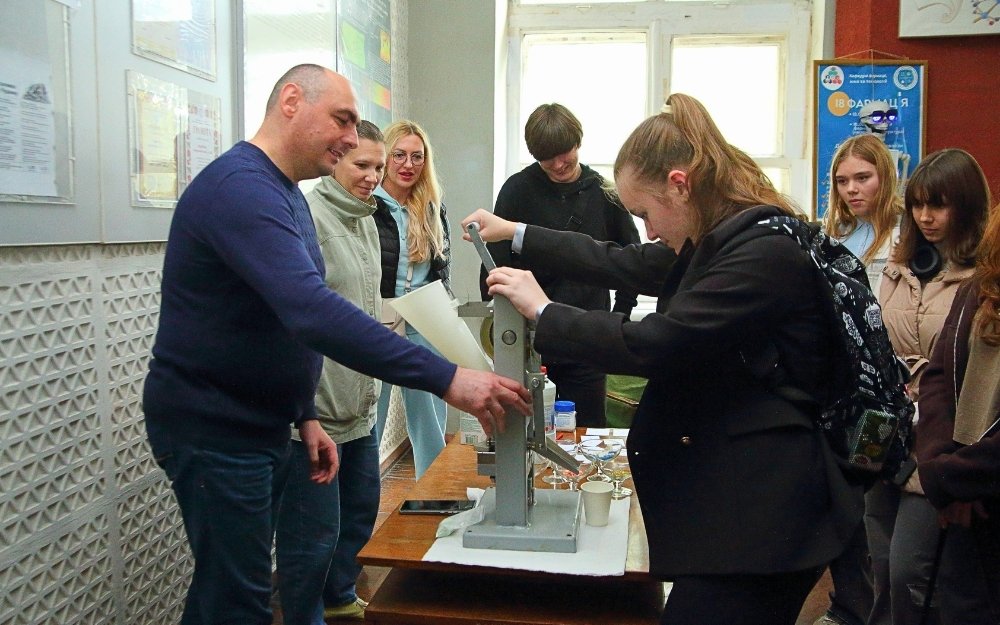
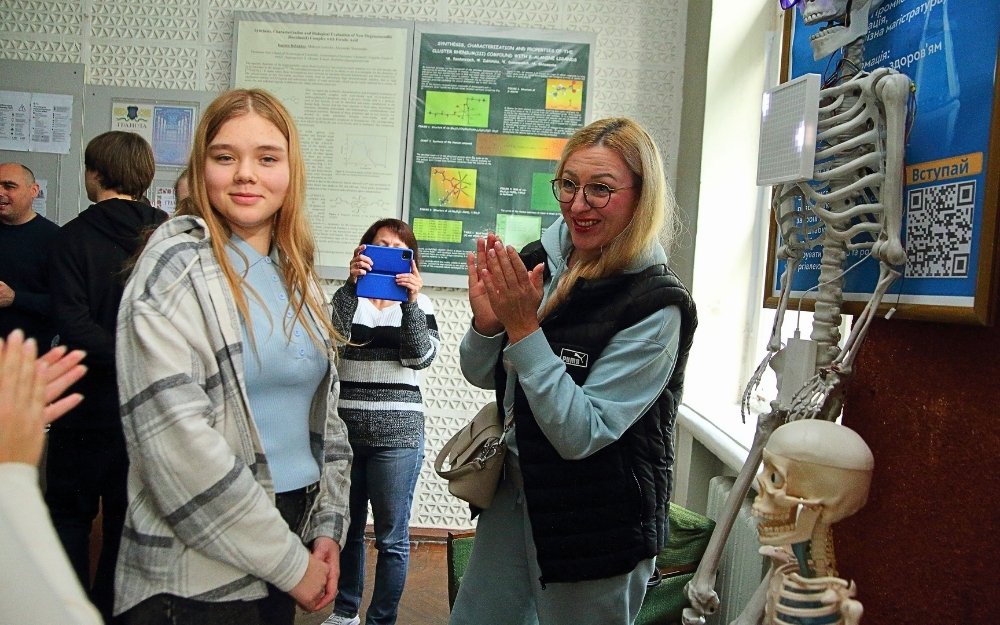
At each location, students were presented with themed tasks. To complete the route and receive the next clue, participants had to demonstrate attentiveness, logical thinking, resourcefulness, and the ability to find unconventional solutions. Thus, they learned about science not through a list of fields and departments, but through direct participation in the game.
The following students took part in the quest:
- Oleksii Umnov and Polina Pupkova, group 1-TsB-26;
- Diana Andriichuk and Mykhailo Olenych, group 1-TZh-26;
- Yelyzaveta Kornieieva, Yevheniia Shvachka, and Dariia Laktionova, group 1-SO(u)-26;
- Olha Plotnikova, group 3-SP-91;
- Vladyslav Stasenko, group 3-KhP-56;
- Kateryna Kondratiuk, group 1-KhT 1-26 TVV.
Maria presented Laba, a custom AI-powered Gem bot developed as a virtual engineer, laboratory assistant, and mentor. Its capabilities focus on process optimization, error analysis, and explaining the chemical mechanisms behind modern printing technologies.
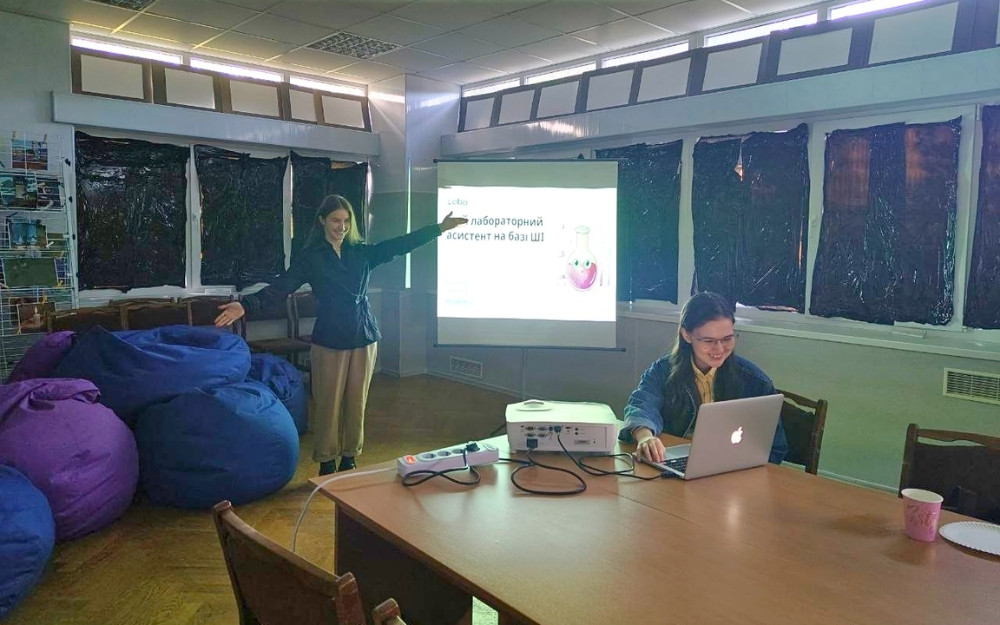
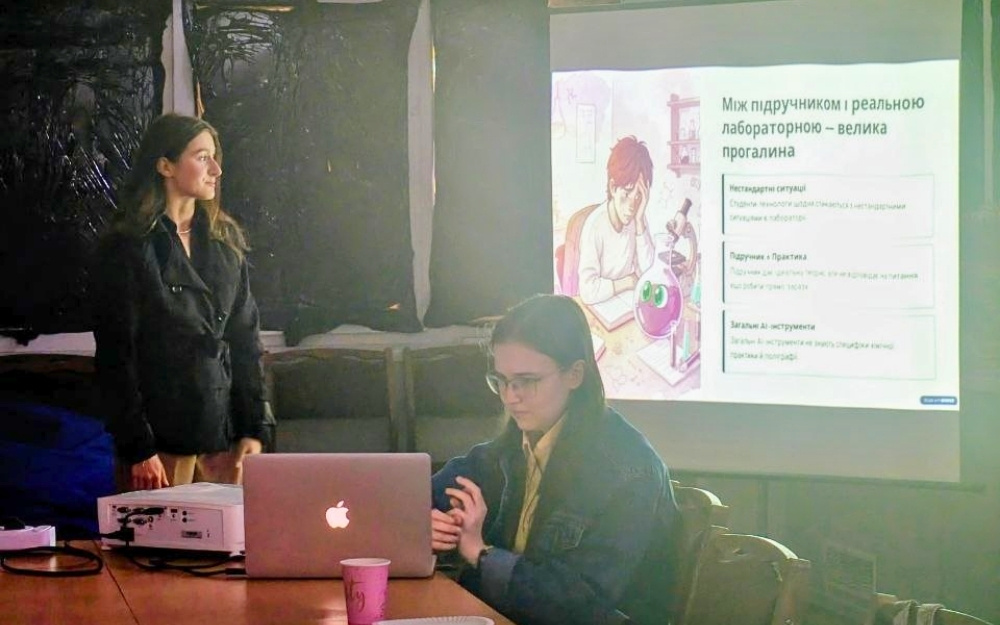
The Laba project was developed as part of the “In the Network 2.0” social initiative of the “Women’s Opportunities in Ukraine” Charitable Foundation, of which Maria Verbytska was a winner. The program included practical training in the use of AI, mentoring support, and the development of an individual professional idea. Thus, the student’s project became a good example of how modern digital tools can be applied in professional and research activities.
This is not Maria’s first experience in scientific and public activities. She takes part in scientific events at the USUCT SEI, works in the university laboratory, serves as a guide at the USUCT History Museum, and has twice been a recipient of the Oleksandr Pol Scholarship.
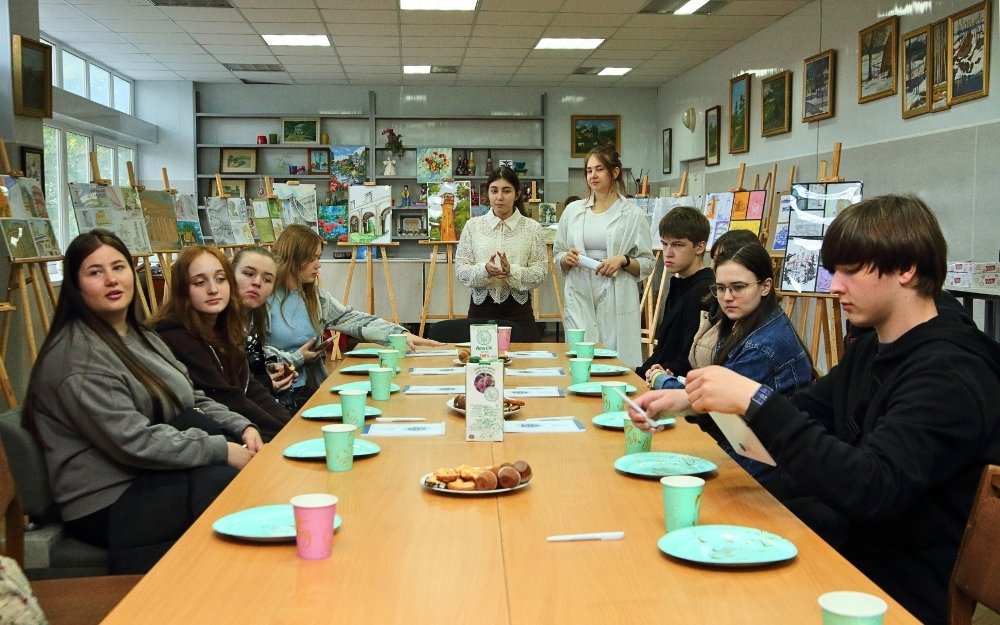
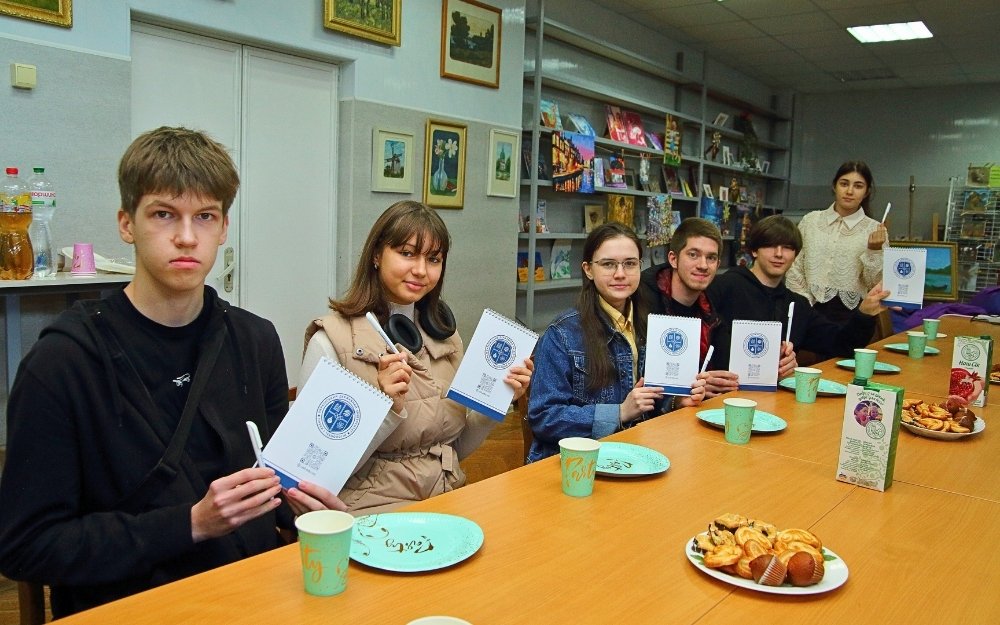
After the presentation, the participants received prizes, and the quest concluded with informal conversation over tea in the library space. They discussed the tasks, the presentation, and their impressions of the route they had completed.
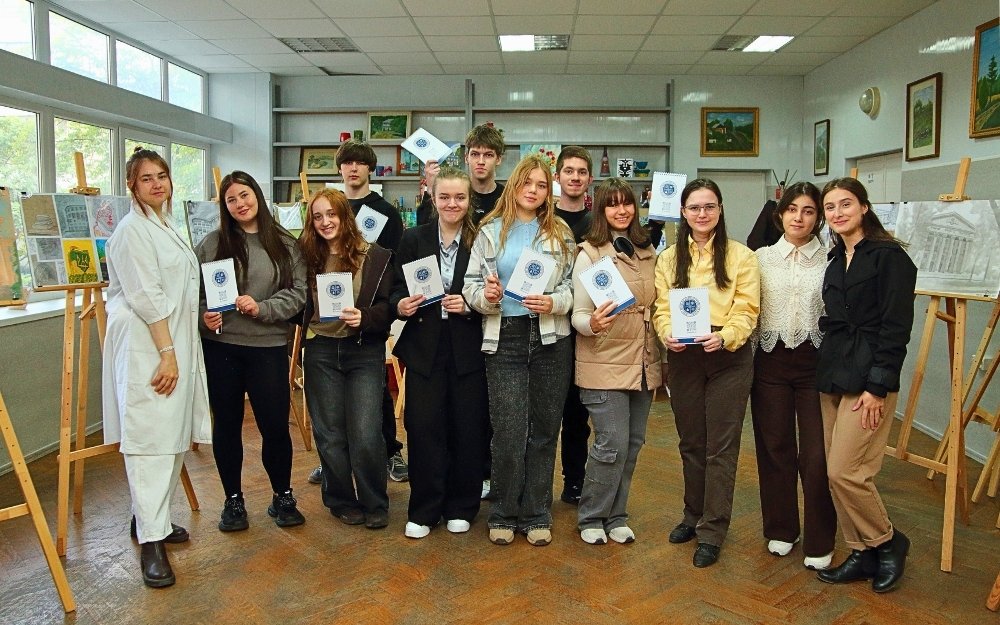
“Operation: Scientific Conversation” brought together several aspects of university life — departmental activities, student self-government, research, and students’ own projects. For first-year students, this was an opportunity to see that science at the USUCT SEI is not limited to laboratory classes or conferences: they can get involved through research, student initiatives, digital technologies, and collaboration with lecturers and one another.
More photos are available via the link