
USUCT SEI Representatives Attended a Guest Lecture on Medicine and Sports
On October 29, 2026, a guest lecture entitled “Medical and Biological Research in Physical Education and Sports. Use of Pharmacological Drugs in Sports” was held for students pursuing a second (master’s) degree in the specialty of “Physical Culture and Sports” at the National University of Life and Environmental Sciences of Ukraine.
Representatives of the Department of Physical Culture, Sports, and Health of the USUCT SEI, headed by the Department Chair, Associate Professor Lina Sokolova, joined the event. Other invited participants included students from T. H. Shevchenko National University “Chernihiv Collegium” and the Ukrainian State University of Science and Technologies, in particular the PSAPCS SEI, who are studying in the specialties of “Physical Culture and Sports” and “Secondary Education (Physical Culture)”.
The lecture was delivered by Mykhailo Balyaba, a vascular and endovascular surgeon and phlebologist at the Municipal Non-Profit Enterprise “Mykolaiv Regional Clinical Hospital” of the Mykolaiv Regional Council. The event was held at the invitation of Nataliia Terentieva, Professor at the Department of Physical Culture and Sports of the National University of Life and Environmental Sciences of Ukraine.
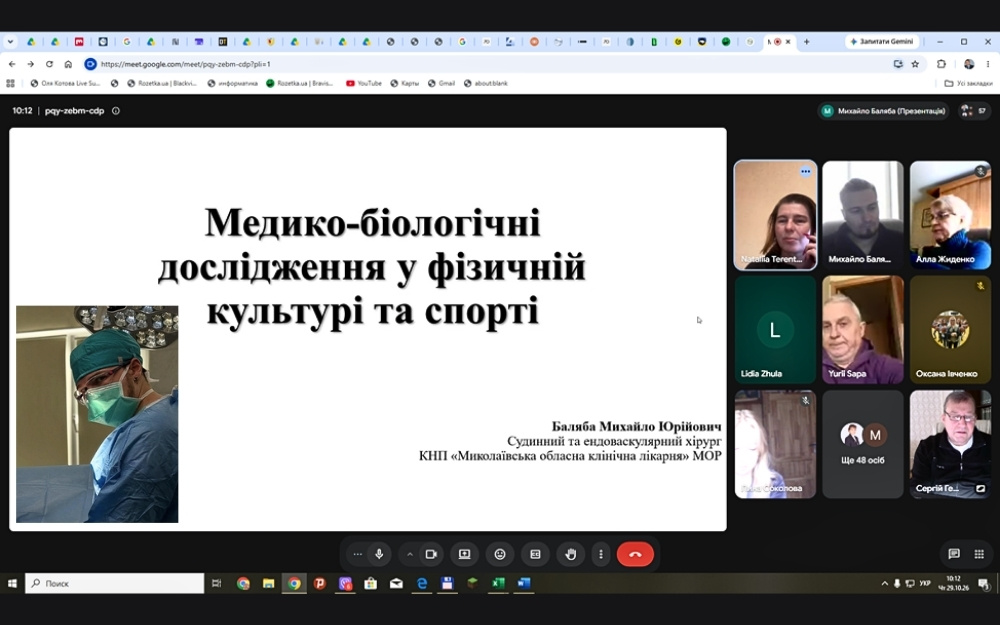
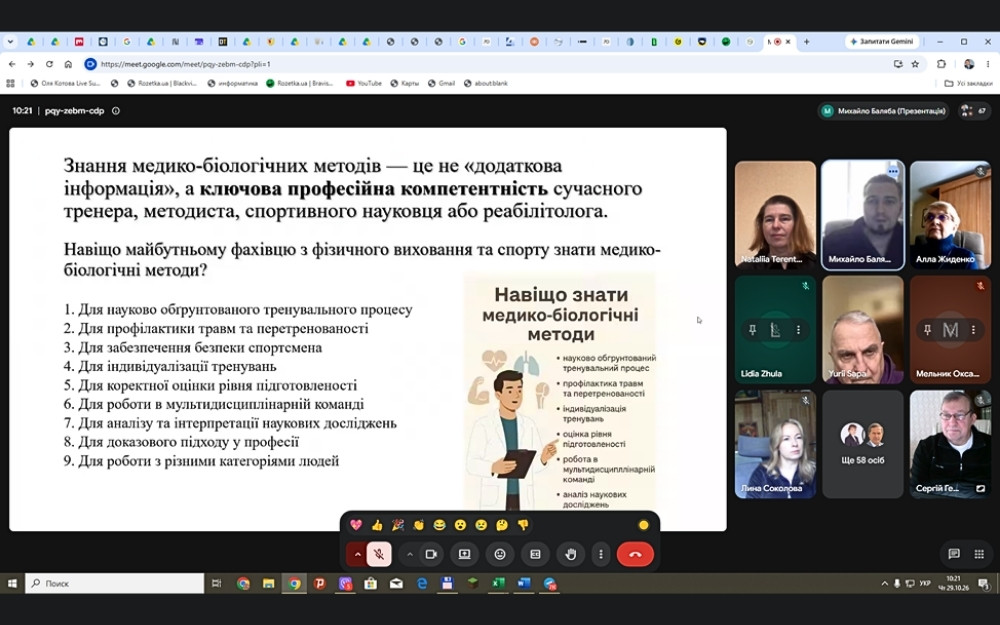
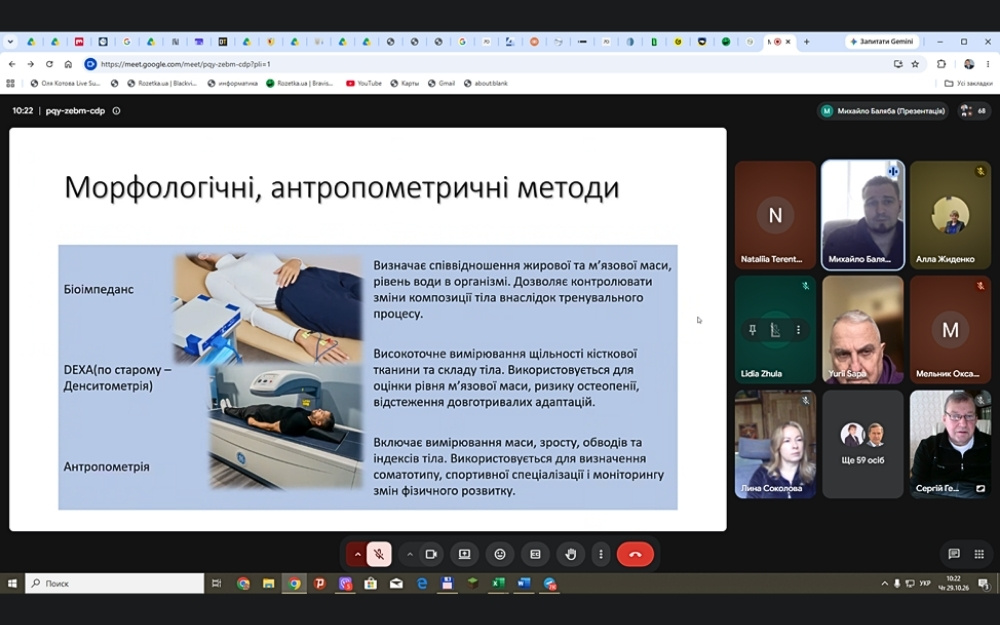
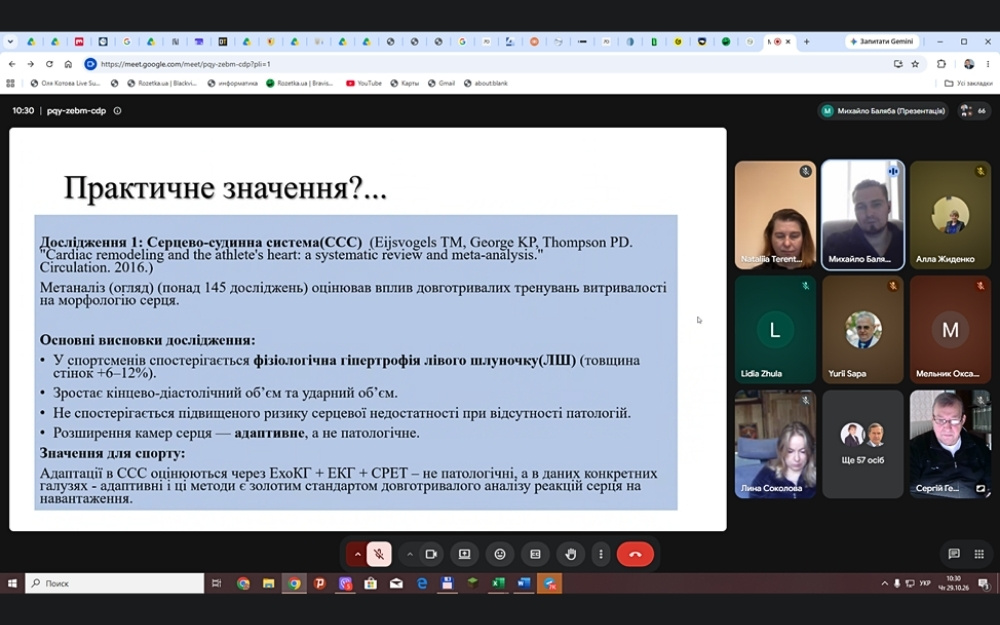
During the meeting, participants explored the main areas and methods of biomedical research in physical education and sports. The lecturer highlighted the importance of such research in assessing an athlete’s physical condition and planning training loads on a scientifically sound basis. In particular, the discussion covered morphological, anthropometric, physiological, biochemical, instrumental, and medical-genetic methods, as well as studies of the functioning of individual body systems.
A separate section of the lecture focused on pharmacological drugs and their use in sports. Participants discussed the fundamental differences between treating an athlete, the rational use of sports nutrition, and the use of prohibited substances to artificially enhance athletic performance. The importance of critically evaluating information about medications and understanding their effects, potential benefits, and risks was emphasized.
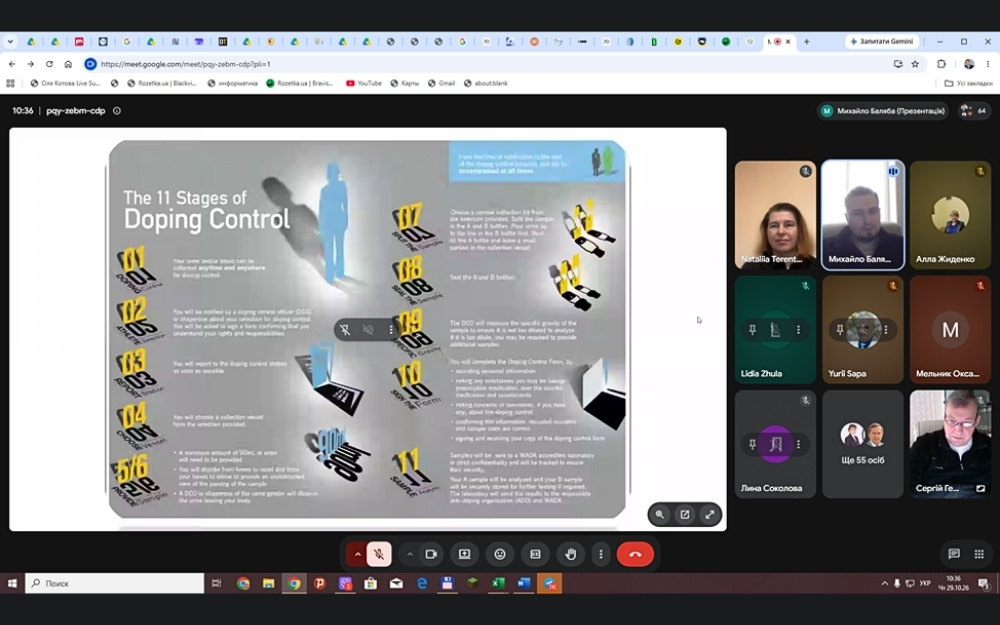
The doping control procedure was also examined in detail. It involves 11 consecutive steps, from identifying the athlete to ensuring sample integrity, proper documentation, and verification of results. It was emphasized that anti-doping education is not merely a formal requirement for participation in competitions, but an important component of safe sports culture and a coach’s professional responsibility.
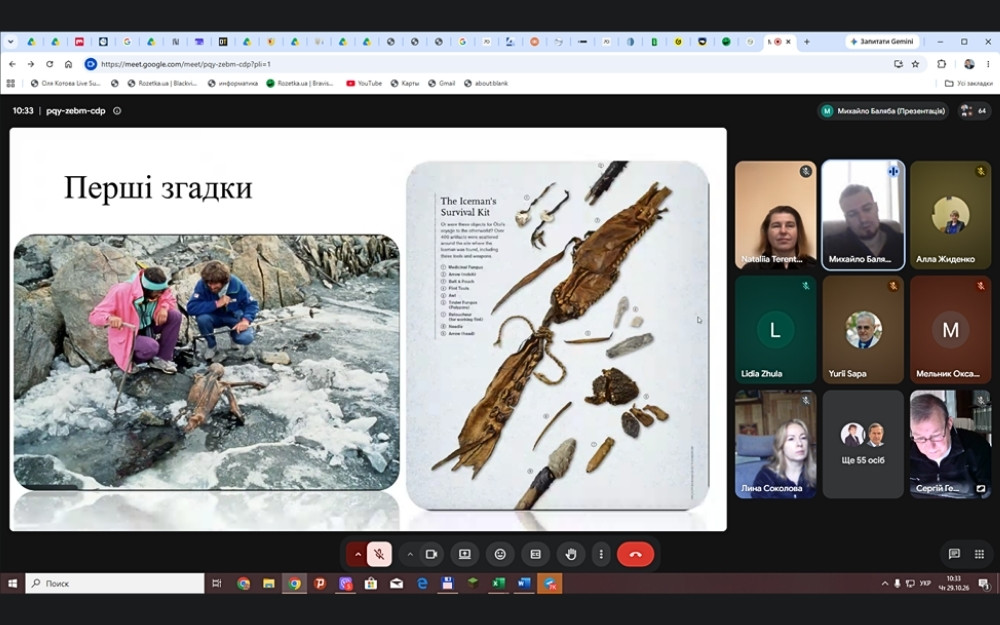
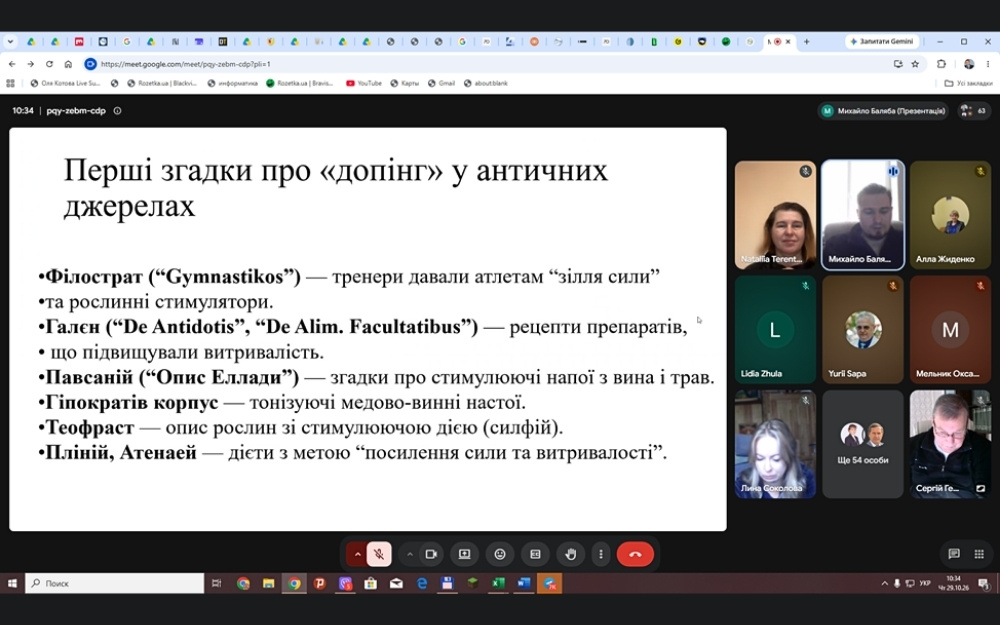
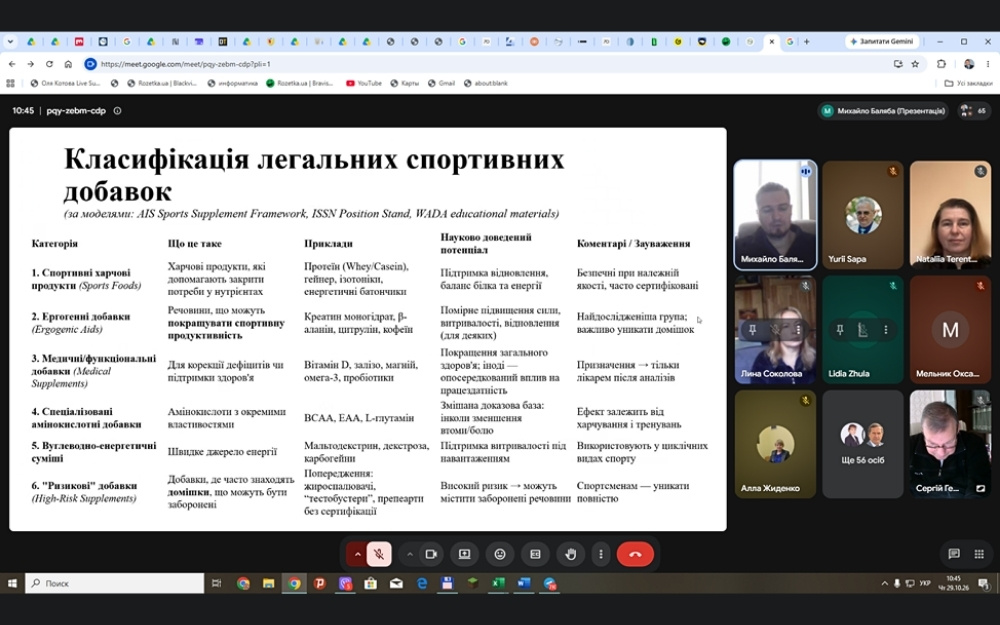
The meeting was held in the format of a professional discussion involving students and lecturers from various higher education institutions. Following the event, participants agreed to continue organizing joint educational activities, thereby strengthening inter-university cooperation and the exchange of professional experience.
The guest lecture provided future specialists in physical education and sports with an opportunity to deepen their knowledge of the biomedical foundations of sports activities, athlete safety, and responsible use of pharmacological substances.