
SEI USUCT held a lesson about “green chemistry” and safe freons of the new generation
At the Educational and Scientific Institute “Ukrainian State University of Chemical Technology” of USUST, the implementation of the educational project “GREEN-ED. Green Education of Dnipro” is ongoing. The project is aimed at developing environmental awareness among young people, promoting the principles of sustainable development, and engaging school students in modern scientific and practical research.
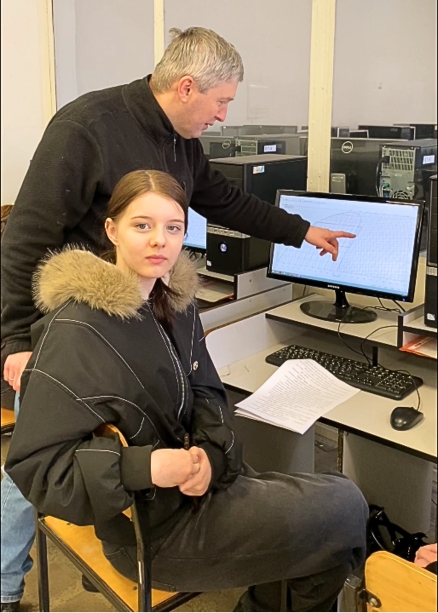
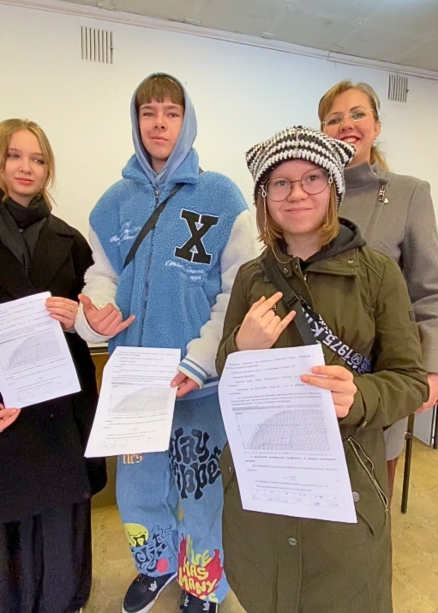
On April 24, 2026, within the framework of the project, a practical class was held for 8th-grade students of Gymnasium No. 11 of the Dnipro City Council on the topic “Principles of Green Chemistry in the Selection of Refrigerants for Compressor Systems”. The class was conducted by Associate Professor of the Department of Innovative Engineering, PhD in Technical Sciences, Senior Researcher Serhii Zybailo.
During the session, students were introduced to modern approaches to selecting refrigerants in refrigeration technology and the reasons for the gradual transition to more environmentally safe substances. Particular attention was paid to the environmental impact of refrigerants, including indicators such as ODP (Ozone Depletion Potential) and GWP (Global Warming Potential).

The students examined the classification of refrigerants by chemical composition, thermodynamic properties, toxicity, and flammability, and also analyzed their interaction with structural materials of refrigeration compressors. Particular emphasis was placed on the risks of substance decomposition at high temperatures with the possible formation of hazardous compounds.
In the context of modern environmental requirements, the students learned about the transition to next-generation refrigerants, in particular HFOs (hydrofluoroolefins), as well as natural working substances such as CO₂ and isobutane. These compounds are characterized by zero ozone depletion potential (ODP = 0) and low global warming potential, making them promising for modern refrigeration technology.
It was also discussed how the implementation of environmentally safe refrigerants affects the design of reciprocating compressors: the need to use new types of seals, specialized lubricants, and heat-resistant components to ensure reliable equipment operation.
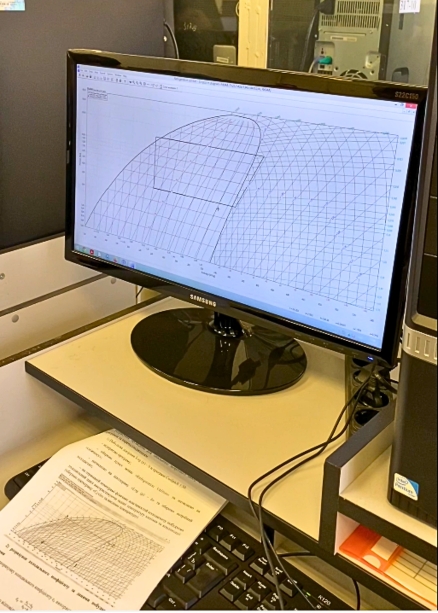
The practical part of the session included comparative calculations of compressor performance based on log(p)–h diagrams constructed in specialized software environments for different refrigerants.
The event became another step in developing students’ understanding of modern “green” engineering and the importance of environmentally responsible decisions in industry.